
One of the most valuable pieces of advice I have received recently, came from Fleeky in the Wealthy Affiliate community:
“One piece of advice I’d offer is this: talk with ChatGPT. Build conversations, not just prompts. The more context it has, the better it understands your thinking, your style, and your goals. And remember that your writing style should adapt to your audience and purpose. A scientific article isn’t written like a documentary or a personal story.”
At first glance, it sounds simple.
But it’s also one of the biggest mindset shifts you can make when using AI.
AI Isn’t Just A Search Engine
Many people open ChatGPT, type a single prompt, get a response , copy it, and move on.
While that works for quick answers , it’s not where AI truly shines.
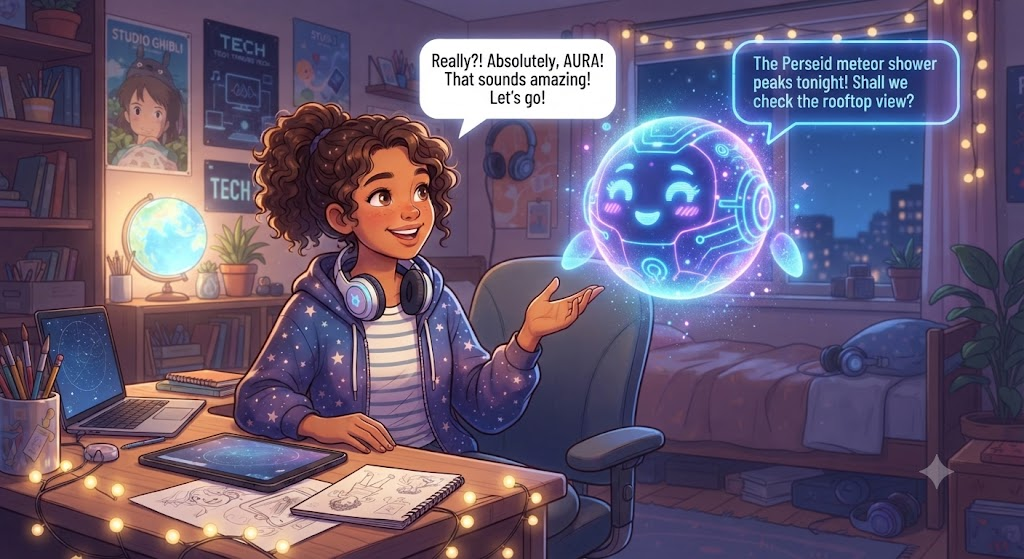
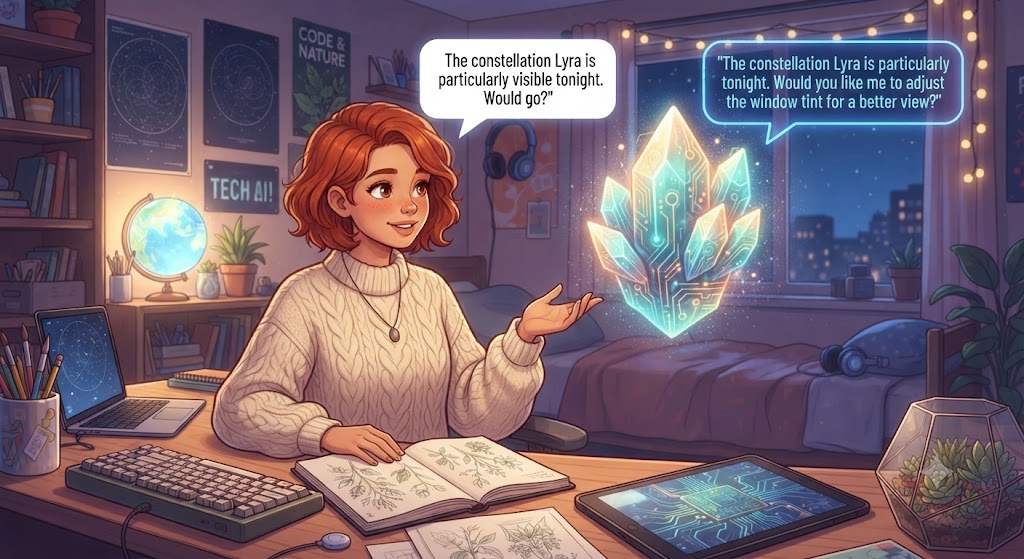
Think of it more like working with a creative partner than using Google. Every conversation builds context. The AI begins to understand your goals, preferences, brand voice and the direction you’re trying to take.
Instead of starting from scratch everytime, you’re building momentum.
Context Is Your Competitive Advantage
Imagine hiring a new marketing consultant every single day.
Each morning you would have to explain:
- Who your business is.
- Who your audience is.
- What your goals are.
- What tone you use.
- What you’ve already created.
That would be exhausting.
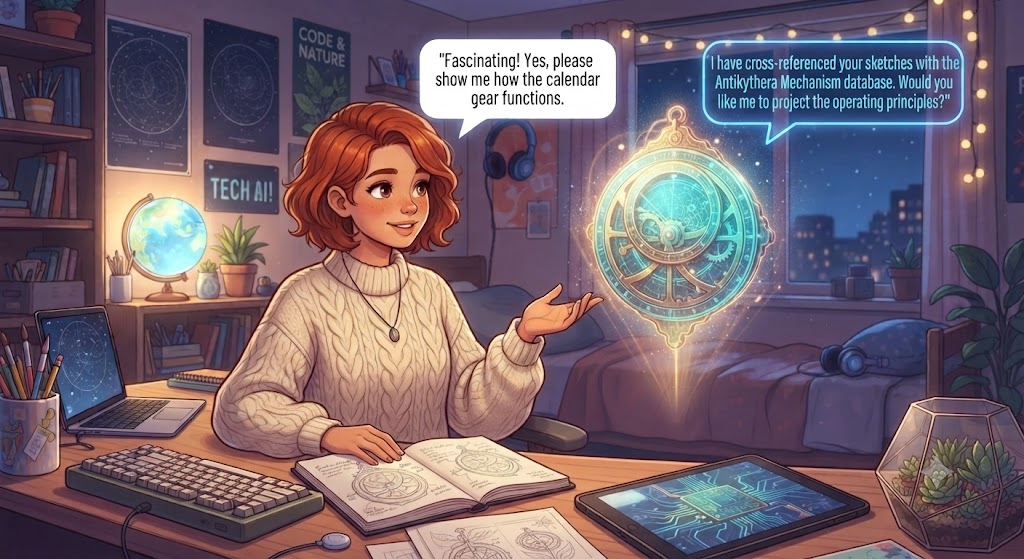
An ongoing conversation with AI removes much of that reputation. As the discussion develops, the responses become more tailored because the AI has a richer understanding of the project you’re working on.
For me, that’s exactly how I approach content for Signal & Strategies. Rather than asking isolated questions, I build ideas over multiple conversations, refine them, challenge them, and shape them into something genuinely useful.
Every Audience Deserves a Different Voice
Another point Fleeky made is equally important:
Your writing style should always match your audience.
This is something many AI users overlook.
Consider these examples:
- A scientific paper should prioritise evidence, precision, and technical language.
- A documentary script should tell a compelling story while educating the audience.
- A personal blog should feel authentic and conversational.
- A business website should build trust, demonstrate expertise, and guide readers toward action.
- A social media post should be concise, engaging, and easy to share.
The information may be similar, but the delivery changes completely.
Great content isn’t just about what you say. It’s about how you say it.
AI Should Adapt to You
One of the biggest misconceptions is that AI has a single writing style.
It doesn’t.
The quality of the output depends heavily on the guidance you provide. As your conversations become more detailed, the AI learns the tone, structure, and level of detail you’re looking for.
That’s why building an ongoing dialogue is often far more effective than writing the “perfect prompt.”
My Take
Prompt engineering has its place, but conversation is where the real value begins.
Ask follow-up questions.
Challenge the responses.
Request rewrites.
Share your goals.
Provide examples.
Treat AI as a collaborative partner rather than a vending machine for content.
The more context you provide, the more meaningful and personalised the results become.
Final Thoughts
The next time you open ChatGPT, don’t focus on writing the perfect prompt.
Start a conversation.
Share your ideas, explain your objectives, ask questions, and refine the answers together. You’ll often end up with stronger insights, better content, and a workflow that feels much more natural.
Sometimes the biggest improvement isn’t finding a better prompt.
It’s having a better conversation.
